 |
 |
 |
 |
 |
 |
 |
 |
|
|

|
|
  |
    |
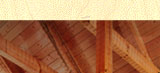
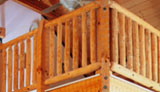
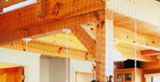
| ... rustic log stairs, log railings
and log trim are a pleasure known to many but enjoyed by few ... |
Why I Finally Said Yes to Overnight Camps for TeensI stood in the driveway, watching the car pull away with my daughter’s entire life packed into two suitcases. My wife was crying quietly. I wasn’t. I was just... empty. Hollowed out by the decision we had made. We weren't sending her to some random summer program. We were enrolling her at La Garenne in Switzerland. It felt extreme. Maybe it was. But when you look at options like overnight camps for teens, you realize that sometimes the scariest step is the one that actually works. I spent months doubting this choice. Was I abandoning her? Or was I giving her the wings she desperately needed but couldn't find at home? The Silence of the House vs. The Noise of GrowthThe first week was brutal. Not for her, apparently, but for me. The house was too quiet. I kept expecting to hear her practicing piano or arguing about homework. Instead, I got silence. Meanwhile, she was navigating a world I could barely imagine. She wasn't just studying; she was living. In a place where classes average only 8–12 students, teachers don't just teach; they know you. They know if you're tired, if you're struggling, or if you're hiding something. That level of attention is rare. It’s uncomfortable for a parent to admit, but I couldn't provide that. I was too busy working, too distracted by life. She called me one evening, breathless. She had just finished a horseback riding session in the mountains. Her voice wasn't the whiny tone I was used to. It was bright. Alive. She talked about the view, the cold air, and the friend from Japan who helped her adjust the stirrups. That was the moment the doubt cracked. She wasn't just surviving; she was thriving in an international mix of kids from over 30 countries. She was learning diplomacy before she even learned calculus.
More Than Just Books: The Real CurriculumWe often think education happens at a desk. But watching her develop, I realized the desk was the smallest part of it. The real lessons happened on the rugby field, in the art studio, and during those long hikes in the clean Swiss air. The school’s approach to extracurriculars isn't an afterthought. It’s central. When she plays in the orchestra, she learns discipline. When she hikes, she learns resilience. These aren't soft skills. They are survival skills for the modern world. I remember her talking about a conflict with her roommate. In the past, I would have stepped in. Called the other parents. Fixed it. Here, she had to talk to her house-parent. She had to navigate the emotion, find the words, and resolve it herself. It was messy. It was hard. But she came out stronger. That’s the thing about these environments. They don't protect kids from life; they prepare them for it. The academic programs—Swiss Matura, IB, American Diploma—are rigorous, sure. But the emotional curriculum is what changes them.
The Hard Truth About Letting GoIt’s not all perfect. There are days when she sounds lonely. Days when the pressure of exams feels heavy. I worry. I always will. Sending your child away is an act of faith, not certainty. But looking at who she is becoming—confident, articulate, kind—I know I made the right call. The doubt doesn't disappear completely. It just changes shape. It becomes pride mixed with a little bit of missing her. If you are standing in your driveway right now, wondering if you are making a mistake, know this: you probably are. It feels wrong. It feels unnatural. But growth rarely feels comfortable. Whether it’s a short-term camp or a full boarding experience, the separation is the point. It’s where they find themselves. And honestly? I’m finding myself too. I’m learning to trust her. And maybe, just maybe, that’s the biggest lesson of all. |
Appalachian Designs: 800-969-3928 / E-Mail: [email protected]
In Western North Carolina call: (828) 628-9994
Home | Rustic
Log Stairs and Rustic Log Railings Systems | Rustic
Log Stair Railings
Rustic Log Mantles | Rustic
Log Trim | Carved Newel
Posts | Custom Work |
Contact Us
� 2003 -
Appalachian
Designs
URL: http://projetofedora.org/
Powered By: B2B SEO